White Night is a survival horror adventure game developed by OSome Studio and published by Activision. It stands out for its striking monochrome visual style, atmospheric storytelling, and emphasis on light and darkness as core gameplay mechanics.
The game is set in the 1930s and follows a lone protagonist who becomes stranded after a car accident near an old, abandoned mansion. Seeking shelter, the character enters the mansion, only to discover it is filled with dark secrets, supernatural phenomena, and lingering traces of a tragic past. As the story unfolds, players gradually uncover the mystery surrounding the estate and its former inhabitants.
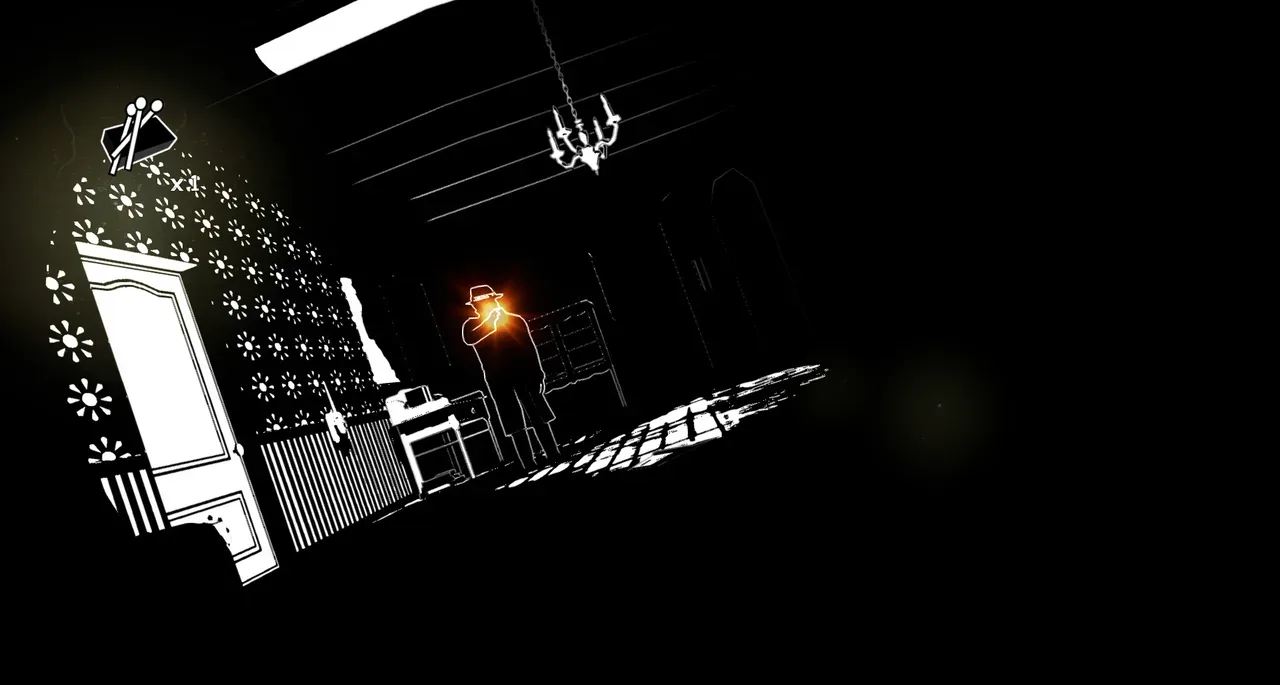
Gameplay focuses on exploration, puzzle-solving, and survival mechanics. Players navigate the mansion from a third-person perspective, moving through dimly lit hallways, locked rooms, and hidden passages. Light sources such as matches are essential, as darkness is not only dangerous but also actively harmful to the player.
A key mechanic in White Night is the interaction between light and darkness. The protagonist must constantly manage limited light resources, such as matches, to stay safe and reveal important environmental clues. Running out of light leaves the character vulnerable to supernatural threats and can lead to death or restart points.
Puzzle design is heavily integrated into the environment. Players must search for clues, interpret notes, manipulate objects, and uncover hidden pathways within the mansion. Many puzzles are tied to the mansion’s history and the emotional narrative behind its former residents.
The story is revealed through environmental storytelling, documents, and flashbacks. Rather than direct exposition, players piece together fragmented memories and hidden events that explain the tragedy surrounding the mansion. Themes of guilt, loss, obsession, and supernatural influence are central to the narrative.
Visually, the game uses a unique black-and-white aesthetic inspired by film noir and classic horror cinema. The absence of color emphasizes contrast between light and shadow, reinforcing the core gameplay mechanic. Lighting effects play a crucial role in both gameplay and atmosphere, making every match and light source feel significant.
Sound design enhances the horror experience with ambient noises, creaking wood, distant whispers, and subtle musical cues that build tension. The audio complements the isolation and suspense of exploring an abandoned, haunted environment alone.
Unlike combat-focused horror games, White Night avoids direct confrontation. Instead, survival depends on careful movement, resource management, and avoiding darkness-related threats. This makes the experience more psychological than action-oriented.
The mansion itself functions as a central character in the game. Its layout, hidden rooms, and shifting atmosphere create a sense of unease and curiosity. As players progress, the environment becomes more complex, revealing deeper layers of the story.
Black-and-white noir horror visual style
Light vs darkness survival mechanic
Exploration-based mansion gameplay
Environmental storytelling and mystery
Puzzle-solving integrated into exploration
Psychological horror atmosphere
Limited resource management (matches/light)
No combat, focus on survival and avoidance
1930s haunted mansion setting
Cinematic sound and ambient design
5 Fragen
Noch eine Frage?
Alle FAQ ansehen