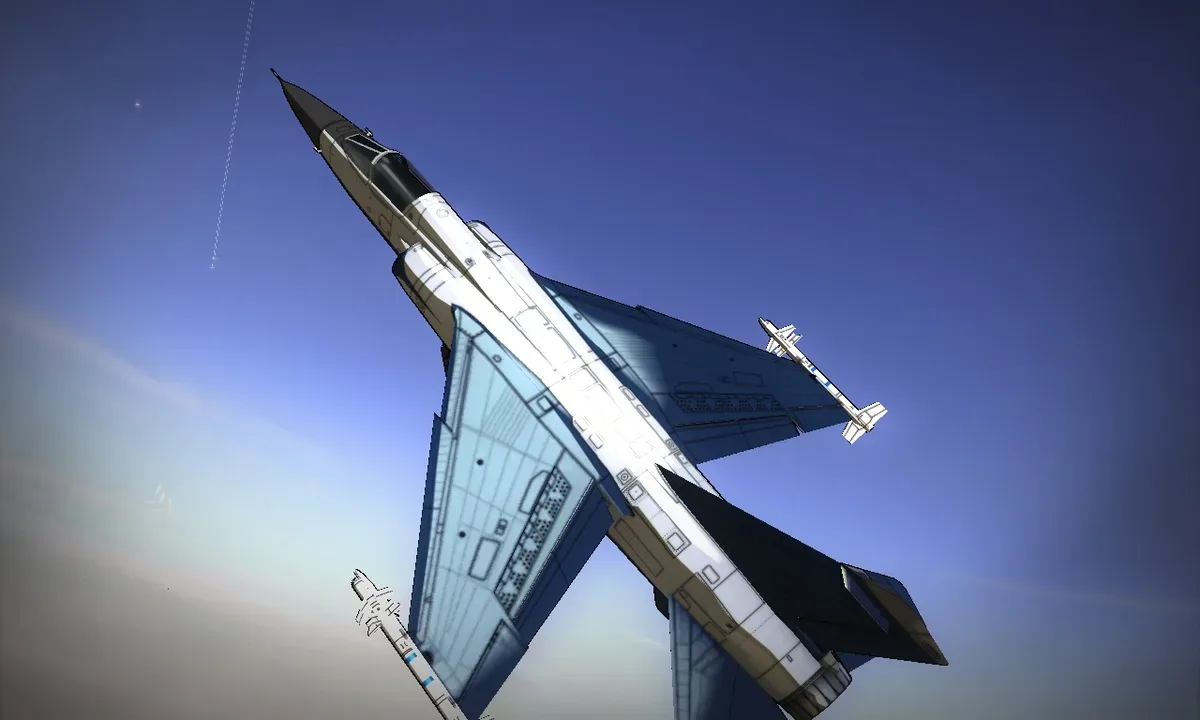
Vector Thrust is an advanced propulsion system designed to improve control, stability, and maneuverability by directing engine thrust in multiple angles. Instead of relying only on traditional control surfaces like wings or fins, this technology uses adjustable thrust direction to enhance performance in aerospace and high-speed vehicles. It is widely used in aircraft, spacecraft, and missile systems where precision movement and rapid response are essential.
Vector Thrust technology works by changing the direction of the engine’s exhaust flow. This is achieved through a specially designed nozzle system that can tilt or rotate during operation. By controlling the thrust direction, the system allows vehicles to move more efficiently and respond faster to pilot or automated commands.This innovation is a key part of modern aerospace engineering and is especially valuable in environments where air resistance is low or where extreme maneuverability is required.
The working principle of Vector Thrust is based on redirecting engine exhaust to generate controlled movement. Instead of only pushing the vehicle forward, the thrust can be angled to produce motion in different directions. This eliminates the need to rely entirely on aerodynamic control surfaces.The system is usually controlled by hydraulic, electric, or mechanical actuators connected to a flight control computer.These systems continuously adjust nozzle position based on real-time data to ensure optimal performance and accuracy.
Vector Thrust is used in a wide range of aerospace and defense applications. In military aircraft, it improves agility and allows rapid directional changes during combat situations. In spacecraft, it assists with precise landing, orbit correction, and trajectory control.It is also used in missile guidance systems to improve targeting accuracy and flight stability.Additionally, modern unmanned aerial vehicles (UAVs) benefit from Vector Thrust by gaining better control in difficult flight conditions.
One of the main advantages of Vector Thrust is enhanced maneuverability, allowing vehicles to perform complex movements with ease. It also improves control efficiency, especially at high speeds or in low-atmosphere environments where traditional control surfaces are less effective.The technology increases overall system responsiveness, reduces dependency on external aerodynamic forces, and improves mission accuracy. These benefits make it a crucial innovation in modern propulsion and aerospace design.
Precise thrust direction control
Adjustable engine nozzle system
Real-time response and control integration
Enhanced maneuverability and stability
High performance at extreme speeds
Reduced dependence on aerodynamic surfaces
Smooth and efficient operation in all conditions
5 Fragen
Noch eine Frage?
Alle FAQ ansehen