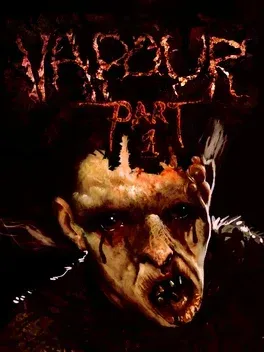
Vapour is an indie psychological horror adventure game developed by Skobbejak Games and released in 2015. Inspired by classic survival horror titles and atmospheric first-person exploration games, Vapour focuses heavily on psychological tension, environmental storytelling, and surreal horror themes rather than fast-paced combat or action gameplay.
The game places players inside a mysterious and unsettling world filled with abandoned structures, twisted environments, and disturbing supernatural elements. The protagonist awakens in an unfamiliar place with little understanding of how they arrived there or what dangers exist within the surrounding darkness. As exploration continues, fragments of the story gradually emerge through environmental clues, hidden documents, and strange encounters.
Gameplay is centered around first-person exploration, puzzle-solving, and survival-oriented progression. Players navigate through eerie corridors, industrial areas, underground chambers, and decaying environments while searching for keys, clues, and interactive objects needed to advance. Puzzle mechanics often require observation, logical thinking, and careful exploration of the environment.
Unlike many action-focused horror games, Vapour emphasizes vulnerability and psychological fear. Players are not heavily armed and must often avoid threats rather than confront them directly. Tension is created through uncertainty, limited visibility, disturbing sound design, and the constant feeling that something dangerous may be nearby.
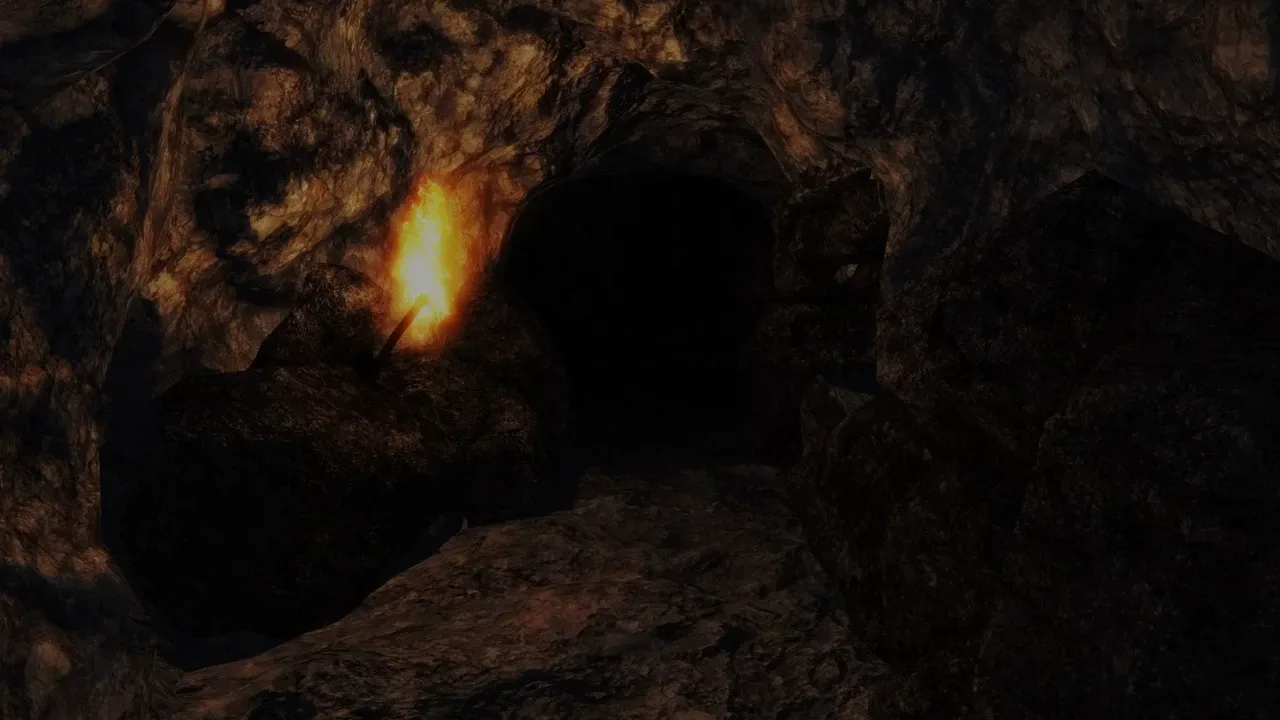
The atmosphere is one of the game’s strongest elements. Dark lighting, fog-filled hallways, abandoned machinery, and surreal environmental designs create a haunting and claustrophobic experience. Many locations appear dreamlike or distorted, blending reality with nightmare imagery to keep players disoriented and emotionally uneasy.
Sound design plays a critical role in the horror experience. Ambient noises, distant screams, metallic echoes, whispers, and sudden audio distortions constantly build suspense during exploration. Silence is also used effectively to increase tension before unexpected events or encounters occur.
Narrative storytelling in Vapour is intentionally mysterious and fragmented. Instead of providing direct explanations, the game encourages players to interpret clues and piece together the meaning behind the environments and events they witness. Themes involving memory, fear, guilt, and psychological instability are woven into the story and presentation.
Enemy encounters are relatively rare but highly stressful. Strange creatures and supernatural entities appear throughout the game, often in unpredictable ways. Rather than relying entirely on jump scares, the game attempts to maintain a constant sense of dread and uncertainty.
Visually, Vapour uses dark color palettes, heavy shadows, and minimalist environmental detail to reinforce its oppressive atmosphere. The low-budget indie presentation contributes to the unsettling feeling of isolation and decay throughout the experience.
The game appeals primarily to fans of atmospheric horror titles that prioritize mood, exploration, and psychological storytelling over combat-heavy gameplay. Its slow pacing and focus on immersion create a horror experience built around tension, mystery, and emotional discomfort.
Psychological horror gameplay
First-person exploration mechanics
Dark surreal environments
Puzzle-solving progression
Atmospheric sound design
Story-driven mystery elements
Minimal combat and survival mechanics
Disturbing supernatural encounters
Environmental storytelling
Indie horror atmosphere
5 Fragen
Noch eine Frage?
Alle FAQ ansehen