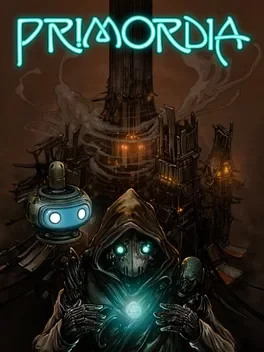
Primordia is a science-fiction point-and-click adventure developed by Wormwood Studios and published by Wadjet Eye Games. Widely praised for its writing, world-building, and philosophical themes, the game combines classic adventure gameplay with a richly imagined post-human future.
The story takes place thousands of years after the disappearance of humanity. Earth has become a vast wasteland populated almost entirely by sentient robots. Human civilization exists only in fragments of memory, ancient myths, and decaying ruins. Machines now struggle to understand their purpose in a world where their creators are long gone.
Players control Horatio Nullbuilt, a solitary robot who lives in isolation within an airship known as the Unniic. Horatio is accompanied by his loyal companion Crispin, a floating robotic assistant who frequently provides commentary, humor, and alternative perspectives throughout the adventure.
The game's central plot begins when a powerful energy source called a power core is stolen from Horatio's home. Determined to recover it, Horatio ventures into the outside world, eventually reaching the vast robotic city of Metropol. What starts as a simple retrieval mission gradually evolves into a complex investigation involving political intrigue, artificial intelligence, forgotten history, and questions about identity and free will.
Exploration is a major element of Primordia. Players travel through deserts, abandoned facilities, ancient structures, and technologically advanced cities while gathering information and interacting with a diverse cast of robotic characters. Every location contributes additional layers to the game's detailed lore.
Gameplay follows the traditional point-and-click adventure format. Players examine environments, collect items, solve puzzles, and engage in conversations. Puzzle design emphasizes logic and observation rather than trial-and-error experimentation, making progression feel rewarding and coherent.
One of the game's greatest strengths is its dialogue system. Conversations are extensive and often explore philosophical topics such as consciousness, religion, memory, destiny, and the meaning of existence. Different robots possess unique beliefs regarding humanity and their role in the world, creating engaging discussions that enrich the setting.
The relationship between Horatio and Crispin serves as an emotional anchor throughout the story. Their contrasting personalities generate both humor and thoughtful character development, helping the narrative remain personal despite its larger themes.
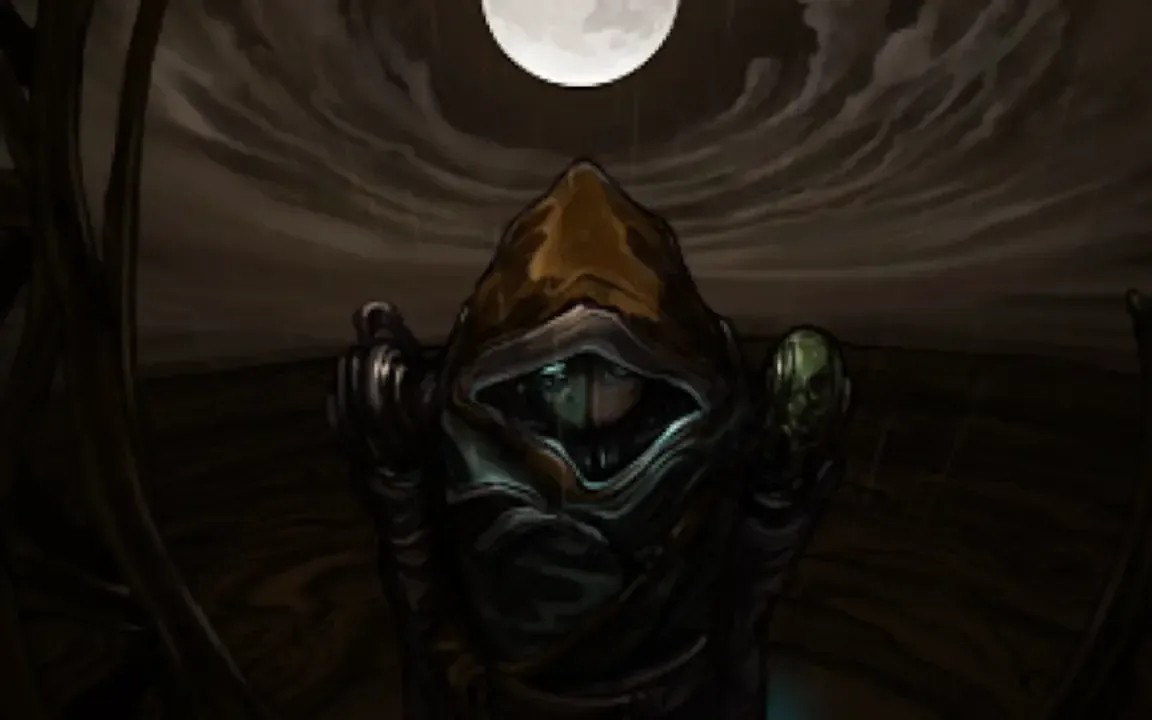
Visually, the game uses detailed pixel-art graphics inspired by classic adventure titles. Rusted machinery, ruined landscapes, and futuristic architecture combine to create a world that feels both ancient and technologically advanced. The art style effectively conveys the passage of time and the decline of civilization.
The soundtrack complements the atmosphere with ambient electronic compositions that reinforce feelings of loneliness, mystery, and discovery. Combined with strong voice acting, the audio presentation greatly enhances immersion.
Unlike many post-apocalyptic stories focused on survival or conflict, Primordia concentrates on ideas, history, and identity. The game asks players to consider what remains of civilization when its creators vanish and whether machines can develop meaning independent of their original purpose.
Multiple endings provide different interpretations of the story's themes and consequences, encouraging reflection on the choices made throughout the adventure.
Classic point-and-click adventure gameplay
Rich post-human science-fiction setting
Deep philosophical storytelling
Memorable robot protagonists Horatio and Crispin
Logical and rewarding puzzle design
Extensive dialogue and world-building
Multiple story outcomes and endings
Beautiful pixel-art environments
Professional voice acting
Atmospheric electronic soundtrack
5 Fragen
Noch eine Frage?
Alle FAQ ansehen