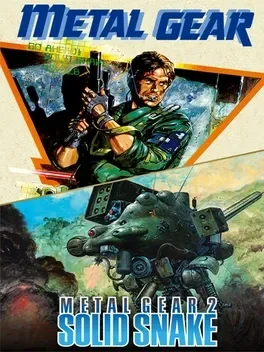
Metal Gear and Metal Gear 2: Solid Snake are pioneering stealth action games developed by Konami and directed by Hideo Kojima. These titles laid the foundation for the entire Metal Gear franchise and helped establish stealth gameplay as a major genre within the video game industry.
The original Metal Gear follows rookie FOXHOUND operative Solid Snake as he infiltrates the fortified military state of Outer Heaven. Snake’s mission is to rescue captured agents, uncover the truth behind a mysterious superweapon known as Metal Gear, and stop a nuclear threat before global conflict erupts. Rather than focusing on direct combat, the game encourages players to avoid detection, sneak past guards, and use strategy to survive dangerous enemy territory.
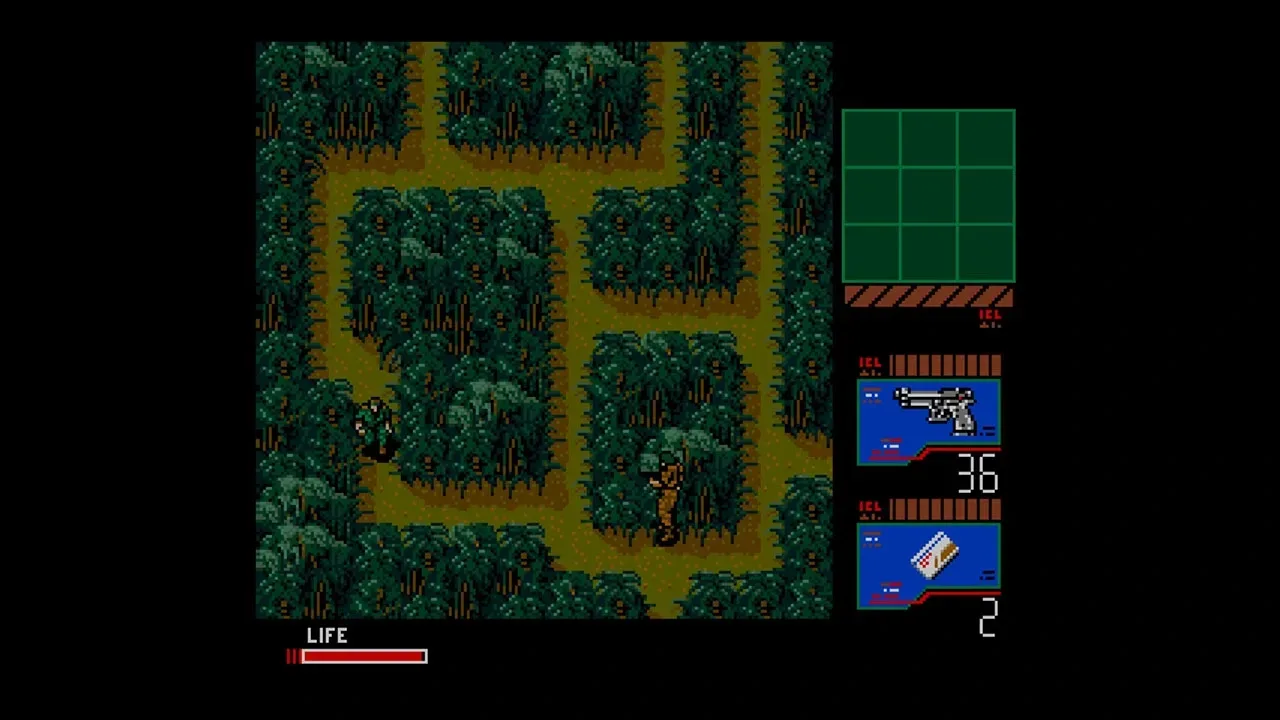
Gameplay introduced mechanics that were highly innovative for the time. Players navigate enemy compounds from a top-down perspective while monitoring guard patrols, security cameras, and traps. Limited ammunition and dangerous enemy encounters reward stealth and careful planning over aggressive firefights. Players use keycards, disguises, explosives, and special equipment to bypass obstacles and progress deeper into hostile facilities.
Metal Gear 2: Solid Snake significantly expanded the formula established by the first game. Set years after the events of Outer Heaven, the sequel follows Solid Snake as he investigates the disappearance of a scientist capable of solving a global energy crisis. The mission leads Snake into Zanzibar Land, a militarized nation once again connected to the development of Metal Gear weapons.
The sequel refined nearly every aspect of the original game. Enemy AI became far more advanced, with guards reacting to footsteps, suspicious noises, and missing allies. Players gained new movement options such as crawling, knocking on walls, and improved directional stealth mechanics. Environmental interaction became more detailed, making infiltration gameplay deeper and more tactical.
Storytelling also became more cinematic in Metal Gear 2. Dialogue sequences, political themes, character development, and dramatic plot twists played a larger role in the experience. Many themes later associated with the Metal Gear Solid series—including nuclear deterrence, warfare, genetics, loyalty, and political manipulation—were already heavily present in these early entries.
Both games feature memorable boss encounters requiring creative strategies rather than simple firepower. Players battle enemy commanders, mercenaries, and advanced military technology while uncovering conspiracies involving governments and secret organizations.
The visual style uses detailed pixel art and military-inspired environments including jungles, deserts, laboratories, prisons, and heavily guarded fortresses. Music and sound design help create tension during infiltration sequences while reinforcing the atmosphere of espionage and covert warfare.
These games remain historically important due to their influence on stealth-action design and narrative-driven gaming. Many mechanics and storytelling concepts introduced in these titles later became defining features of modern stealth franchises and cinematic action games.
Classic stealth-action gameplay
Introduction of Solid Snake
Tactical infiltration mechanics
Top-down military espionage gameplay
Advanced stealth systems in Metal Gear 2
Story-driven missions and conspiracies
Boss fights requiring strategy and planning
Military-themed environments and equipment
Influential game design by Hideo Kojima
Foundations of the Metal Gear franchise
5 Fragen
Noch eine Frage?
Alle FAQ ansehen